Our story
Rasa — the essence of a meal
In Sanskrit, rasa means flavour, juice, essence and emotion. RASORA was founded on the belief that India's great regional kitchens deserve the same care, quiet and precision as any fine-dining room in the world.
How it began
From a grandmother's handi to Hauz Khas
RASORA began at a family table in Lucknow, where Sunday biryani was sealed in a copper handi at dawn and opened, with ceremony, at lunch. That patience — the refusal to hurry a good thing — became our first principle.
We opened our doors in New Delhi to cook the dishes we grew up with, and the ones we fell in love with on the road: rogan josh from a wazwan in Srinagar, meen curry from a toddy shop in Kerala, Chettinad chicken from a Karaikudi mansion kitchen.
“We are not reinventing Indian food. We are listening to it carefully, and serving it beautifully.”
Indian cooking traditions
Four techniques we never shortcut
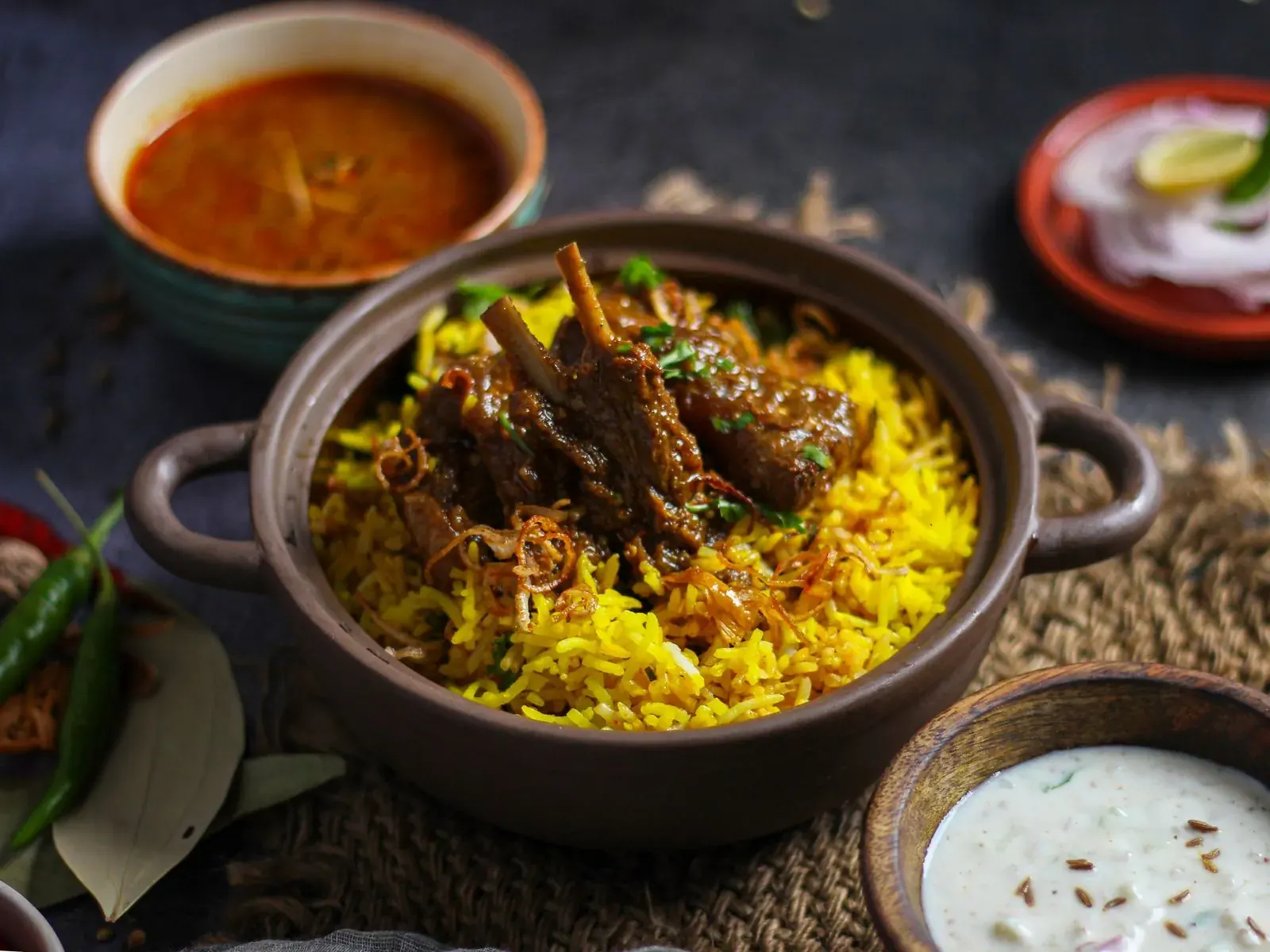 Dum
Slow, sealed cooking
Handis sealed with dough and cooked over embers so meat, rice and spice exchange their aromas — the Awadhi technique behind our biryanis.
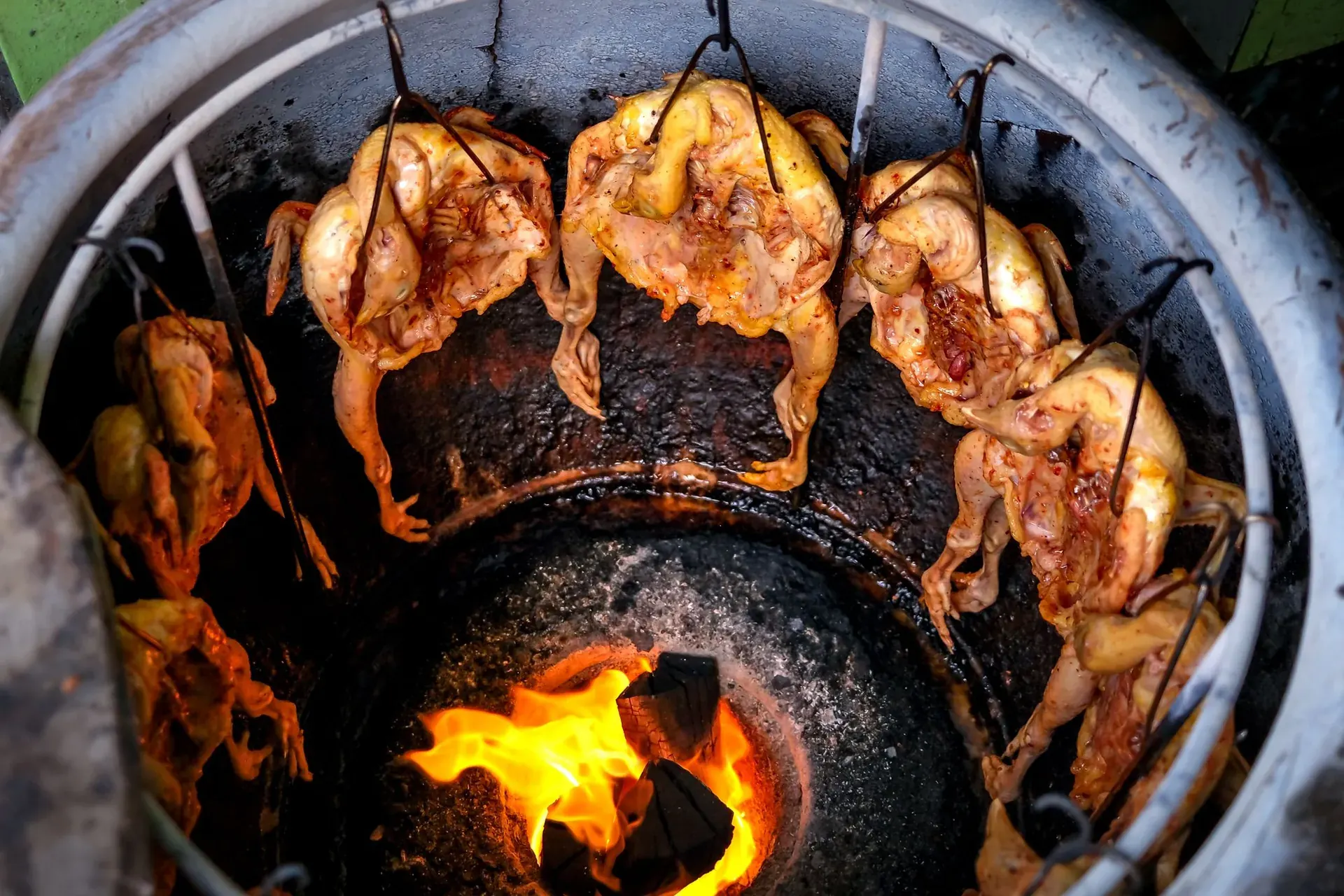 Tandoor
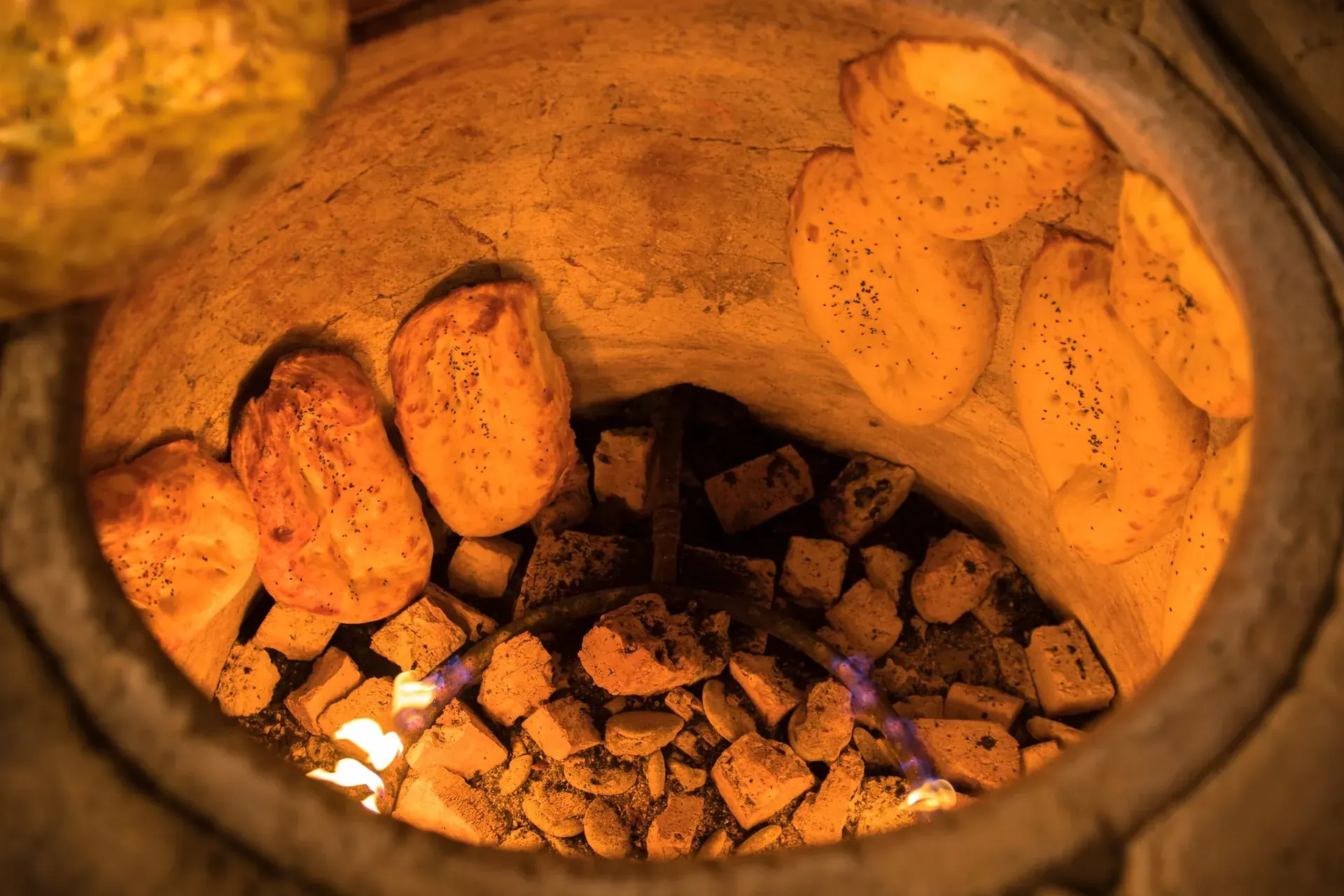
The clay oven
A charcoal-fired clay oven at 400 °C chars kebabs, tikkas and breads in minutes, giving the smoky edge no grill can imitate.
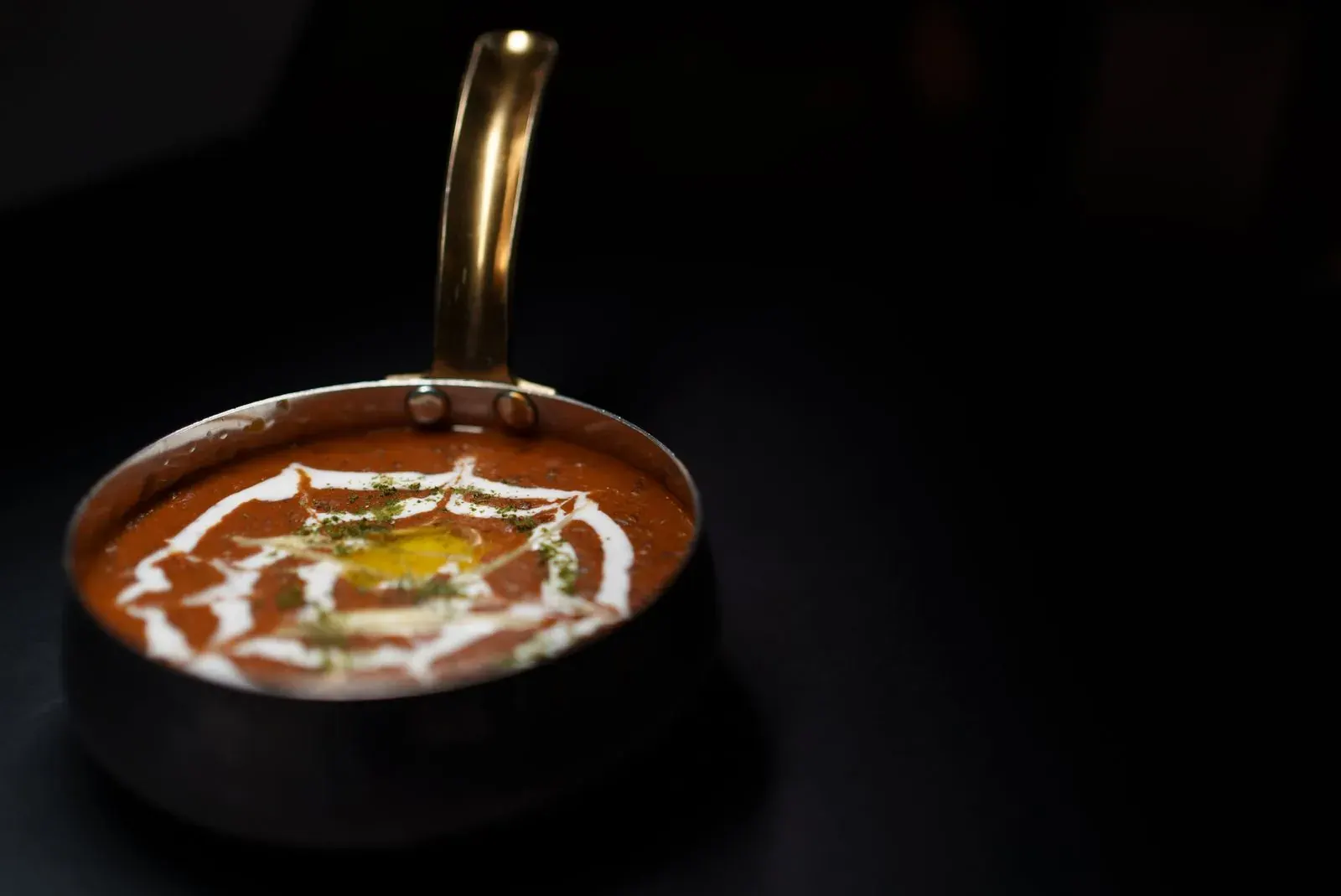 Tadka
Tempering
Whole spices bloomed in hot ghee or oil and poured over at the last moment — the final flourish that wakes up a dal.
 Bhuna
Patient roasting
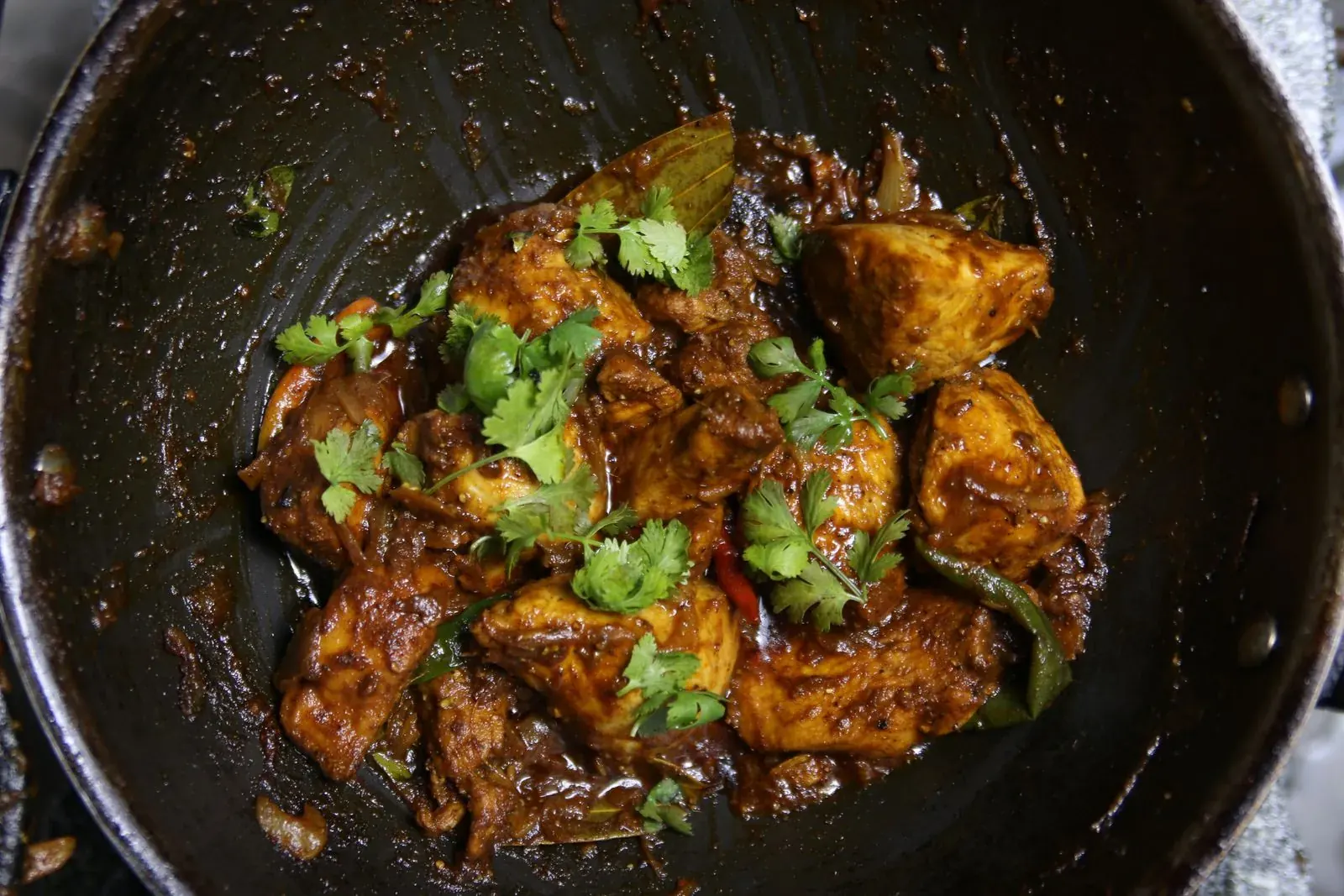
Masalas stirred over steady heat until the oil separates — the foundation of depth in every curry we serve.
18 years
in kitchens from Lucknow to London
Meet the chef
Chef Arjun Mehra
Executive Chef & Co-founder
Trained in the kitchens of Lucknow's old nawabi households and later in London's modern Indian restaurants, Arjun returned to India with one ambition: to cook regional food with total fidelity, and to plate it with total restraint.
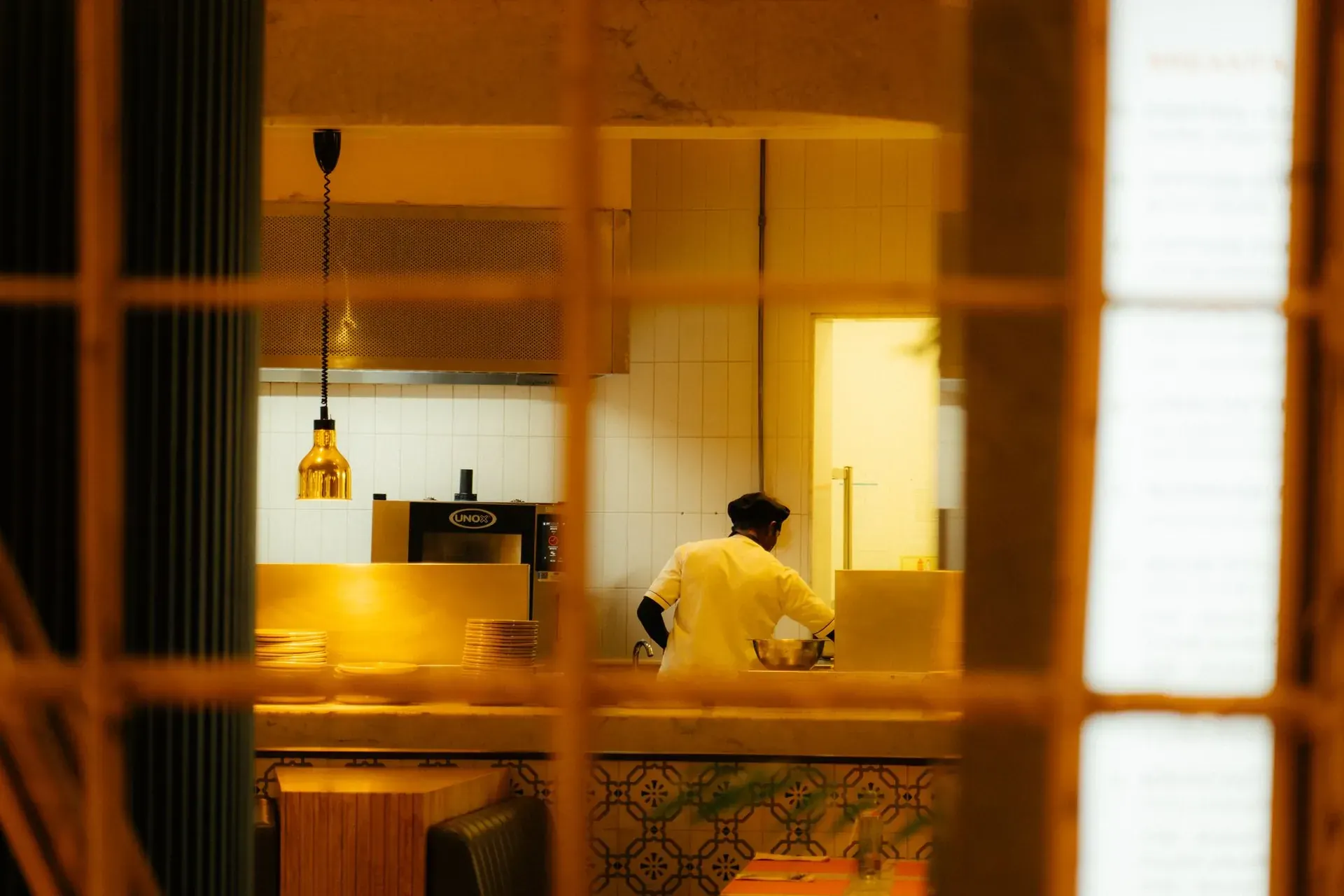
He spends his mornings at the spice grinder and the tandoor, and his evenings on the pass, tasting every dal before it leaves the kitchen.
Fresh ingredients
Flavour starts long before the fire
Great Indian cooking is built on spice and produce at their peak. We buy whole, buy seasonal and make almost everything ourselves.
Stone-ground atta
Whole wheat milled weekly in Punjab for our rotis and parathas.
Spices, whole
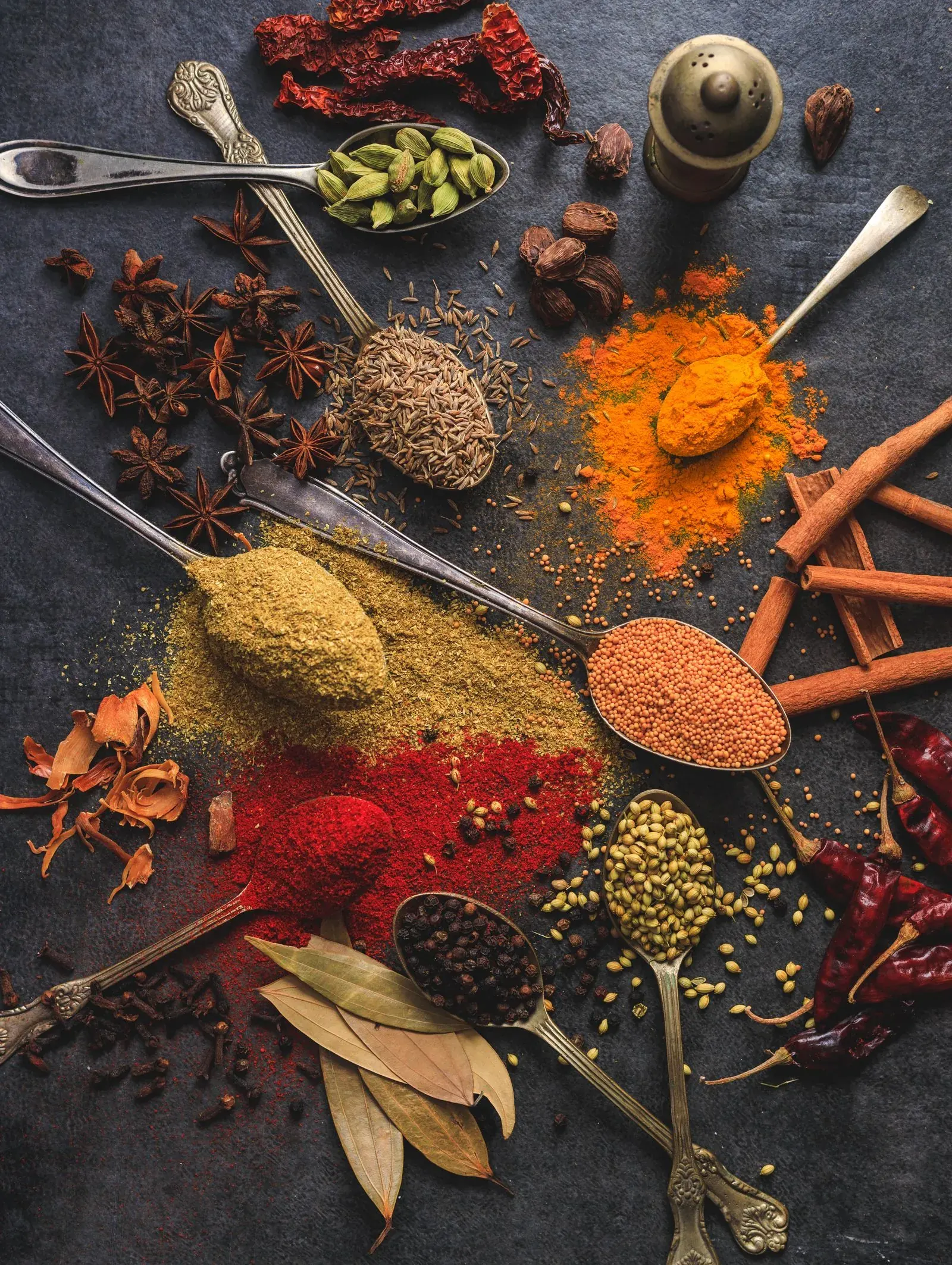
Kashmiri chilli, Malabar pepper, Pampore saffron — bought whole, roasted and ground daily.
Seasonal produce
Vegetables from farms near Sonipat; the menu shifts with what the season gives us.
Made in-house
Paneer, khoya, chhena, chutneys and masala blends — made in our kitchen every morning.
Restaurant atmosphere
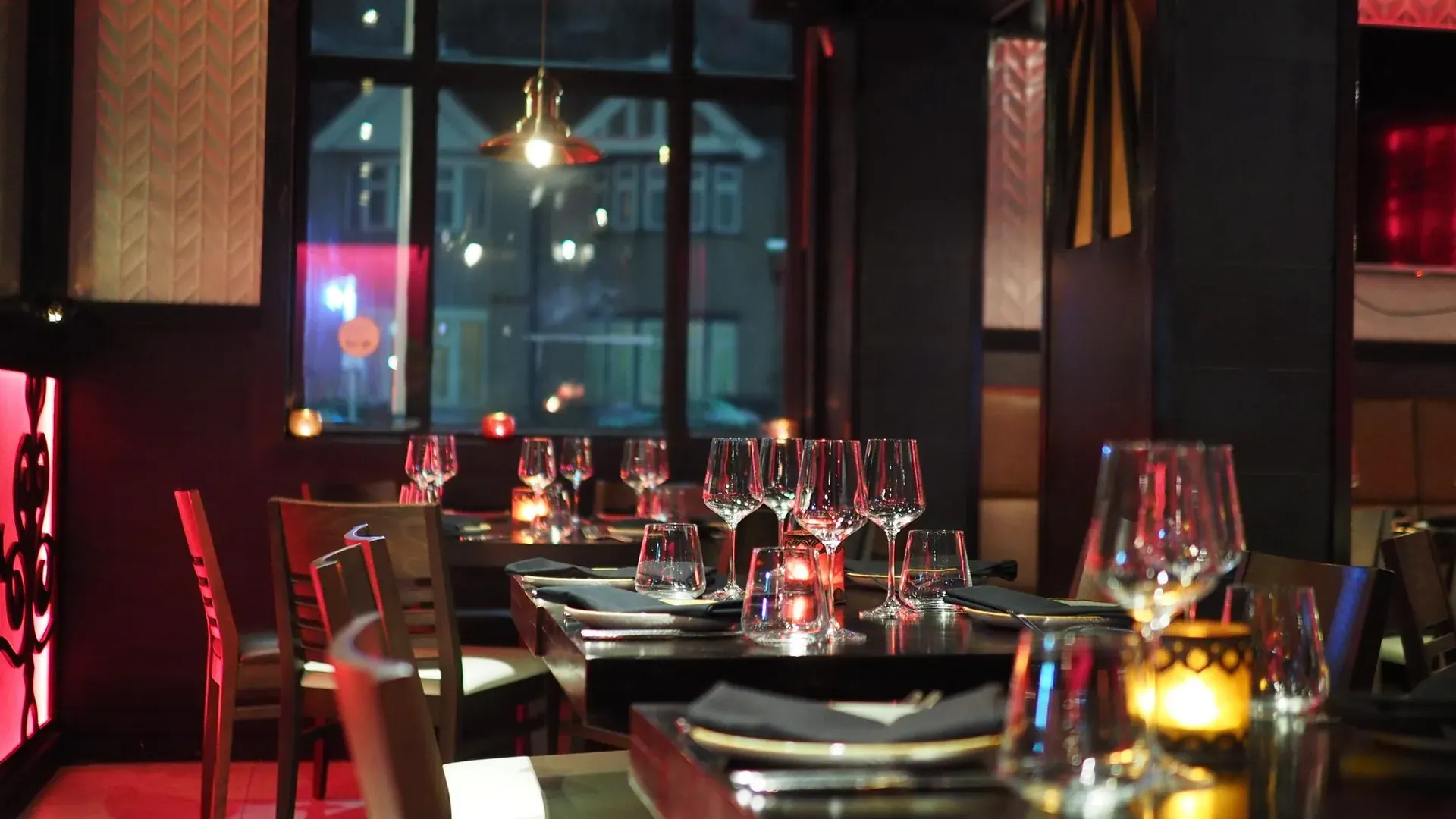
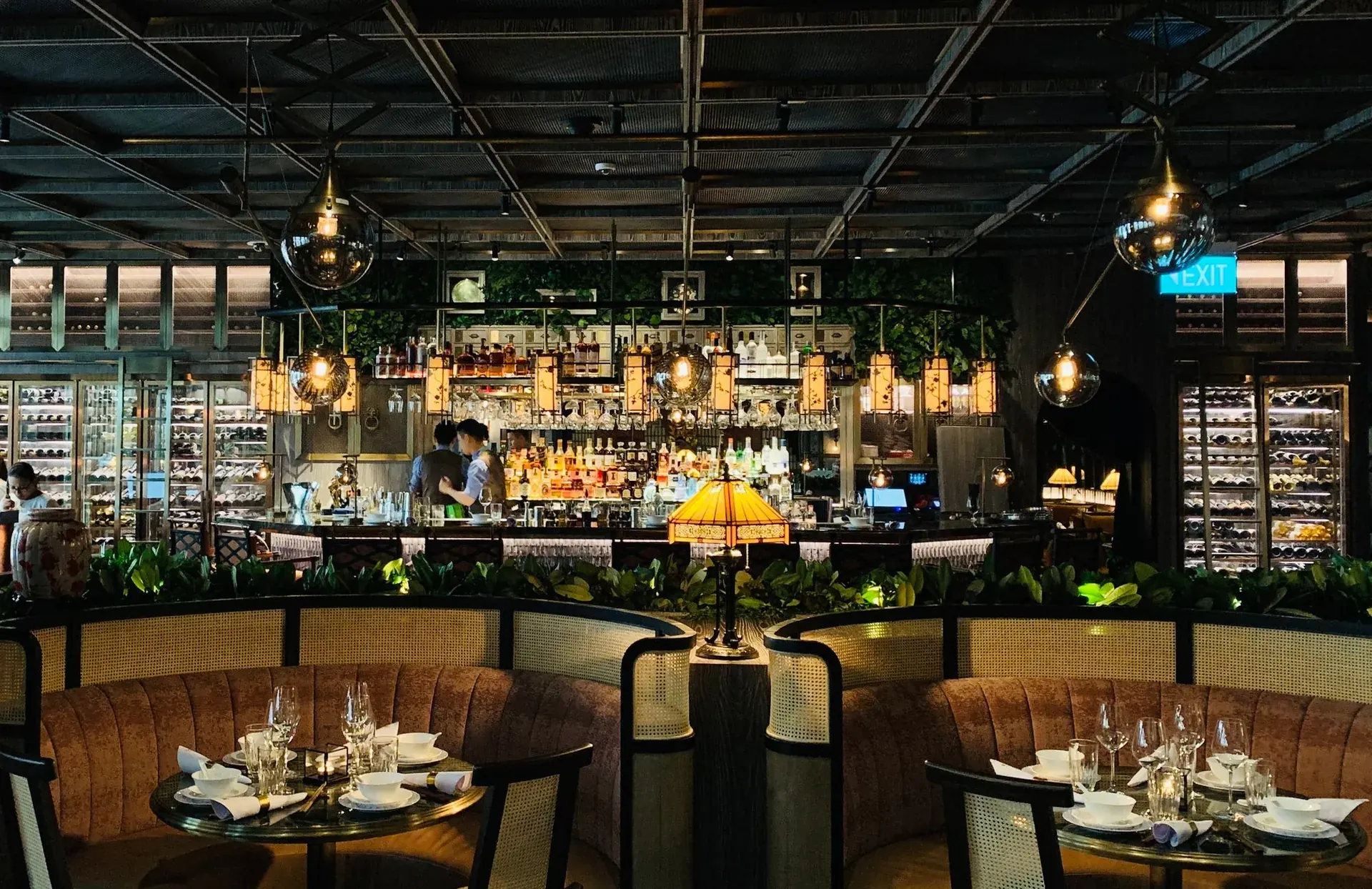
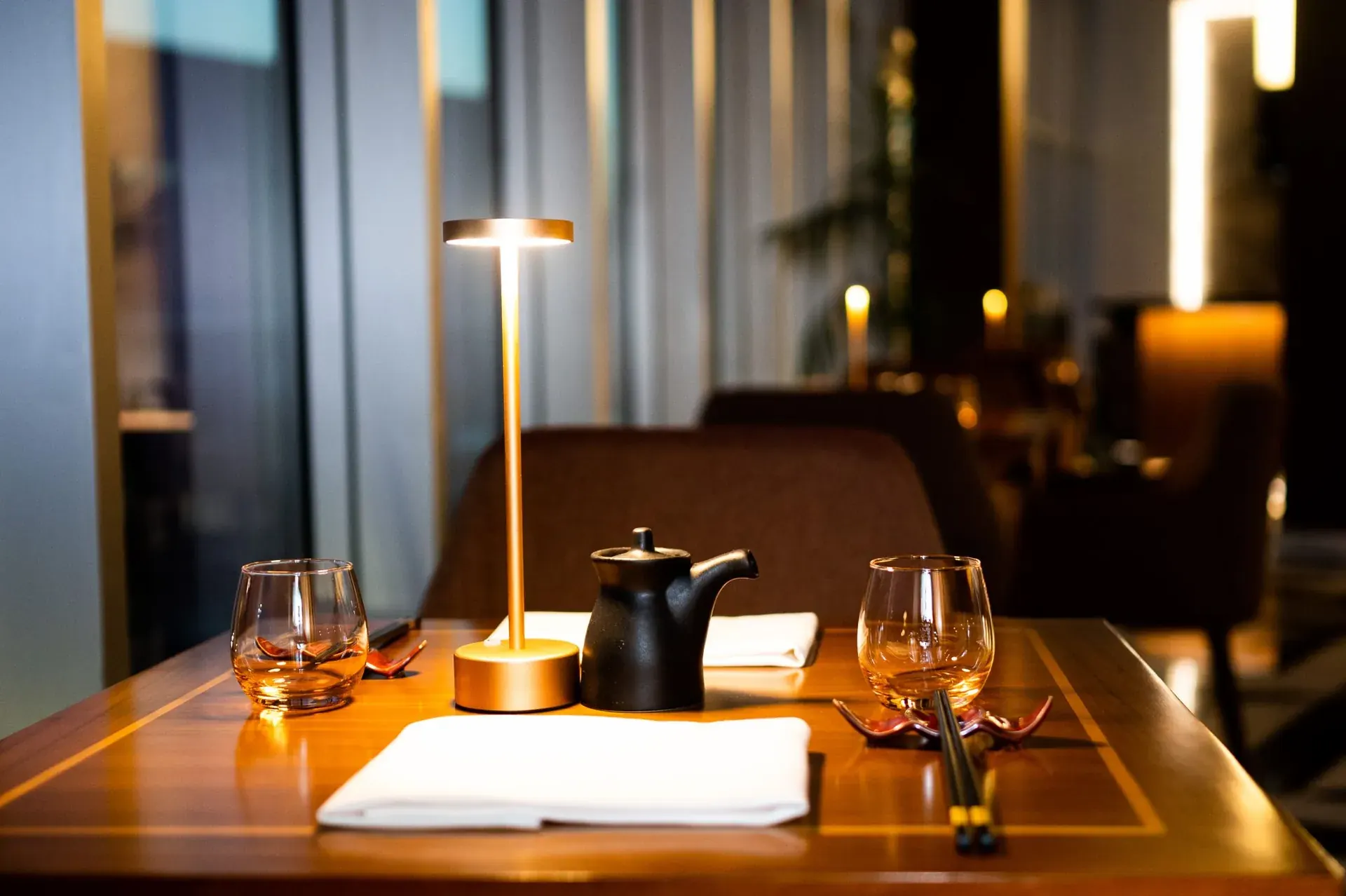
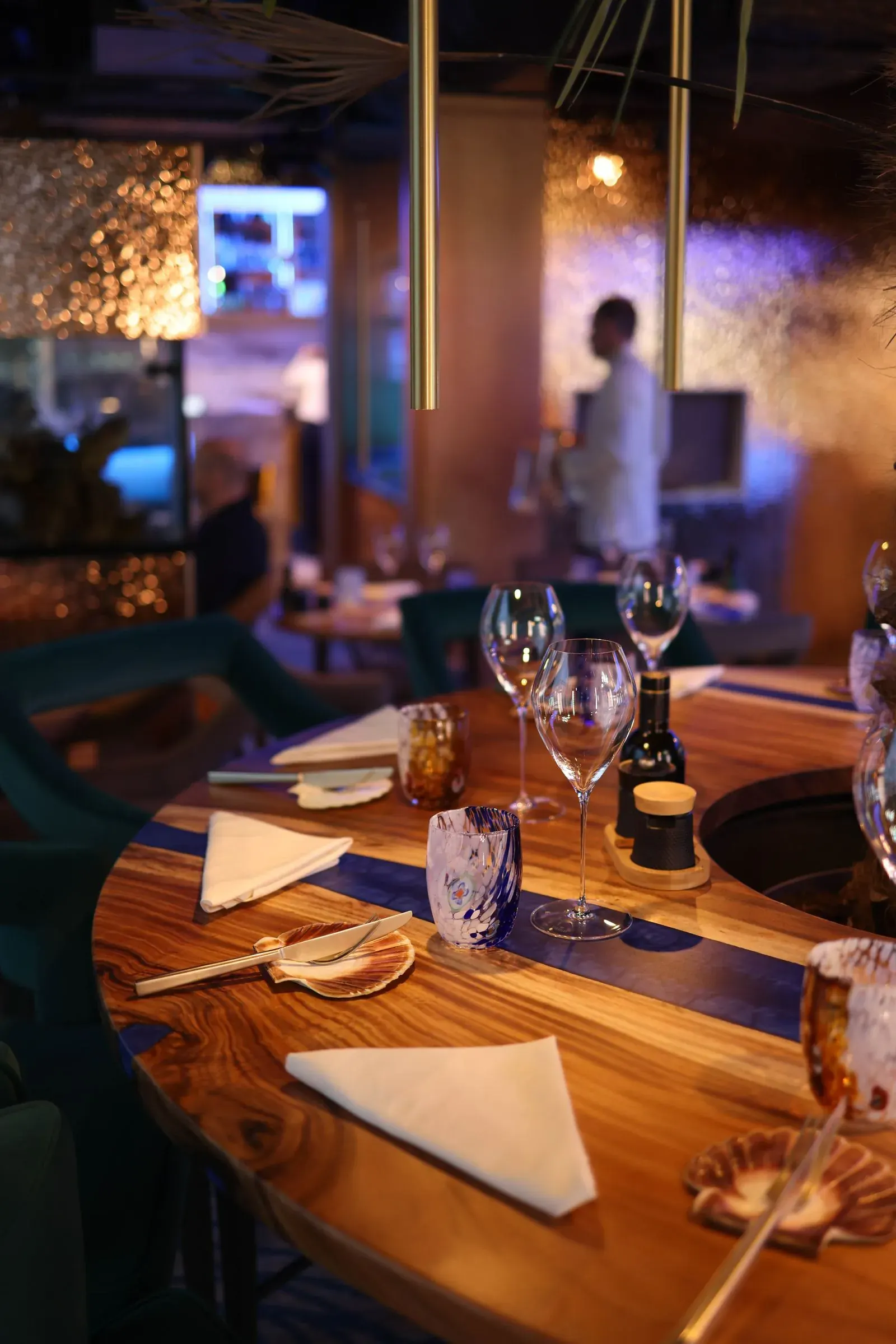
Warm light, deep colour, unhurried evenings
Reservations
Your table is waiting
Book online and choose exactly where you sit — a window booth, the tandoor counter or the main hall. Dinner Tuesday to Sunday, long lunches at the weekend.