Guides2 min read
Eating Out With Food Allergies: A Guide to Indian Menus
Ghee, cashew-thickened gravies, mustard oil, hing cut with wheat: the hidden allergens in Indian cooking and what to ask.
The RASORA Kitchen · Recipes & research ·
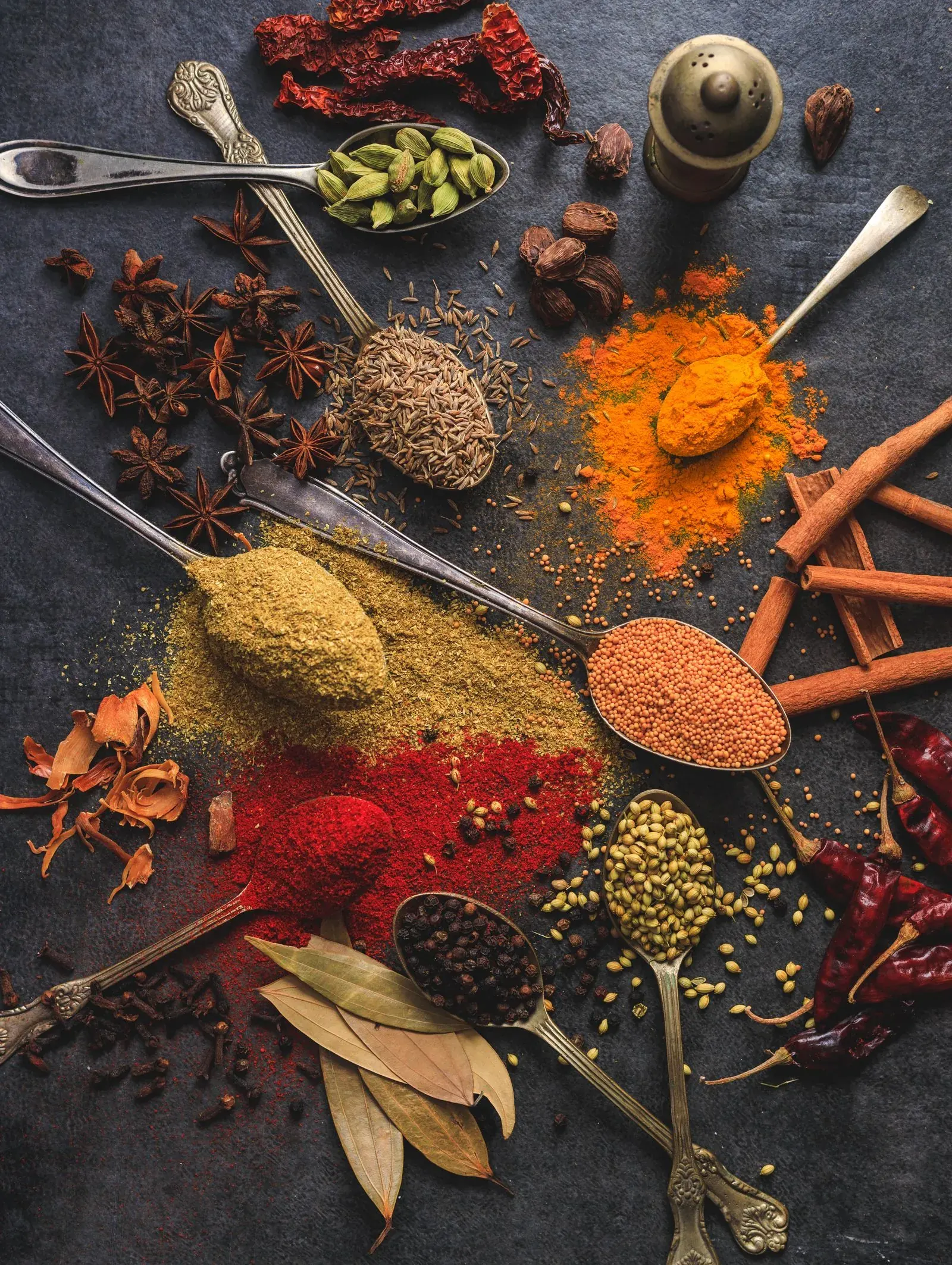
Indian food can be wonderful for people with allergies — many dishes are naturally free of gluten or eggs — but a few classic ingredients hide in places you might not expect. This guide covers the common ones and the questions worth asking. It is general guidance, not medical advice: always tell the restaurant about your allergy before ordering.
Dairy hides in the fat
Ghee is clarified butter, and it's used to temper dals, finish rice and fry sweets. Paneer, khoya, chhena, malai and yoghurt marinades are all milk. Ask for dishes cooked in oil — at RASORA our aloo gobi, onion bhaji and vegetable samosa are made without dairy.
Nuts thicken the gravy
Many North Indian 'creamy' curries — korma, shahi paneer, makhani sauces and malai kofta — are thickened with cashew or almond paste rather than cream alone. Desserts are often garnished with pistachio and almond. Peanuts appear in some Hyderabadi and Maharashtrian gravies, such as mirchi ka salan.
Gluten in unexpected places
- Asafoetida (hing) is usually sold compounded with wheat flour.
- Dum biryanis are often sealed with a wheat-dough rim.
- Breads — naan, roti, paratha, bhatura — and samosa pastry are wheat.
- Shared fryers can carry gluten into otherwise gluten-free fritters.
Mustard and sesame
Mustard oil is the backbone of tandoori marinades, Kashmiri rogan josh and many Bengali dishes, and mustard seeds are tempered into South Indian curries. Gingelly (sesame) oil is traditional in Chettinad cooking.
- #allergies
- #gluten
- #nuts
- #dairy
- #guide